Why punch selection matters
In follicular unit extraction the punch separates the graft from surrounding tissue. Diameter, edge geometry and surface finish directly affect transection rate, graft integrity and donor healing. This guide lists the technical parameters that affect a purchasing decision; clinical protocol remains the physician's responsibility.
1. Inner vs outer diameter
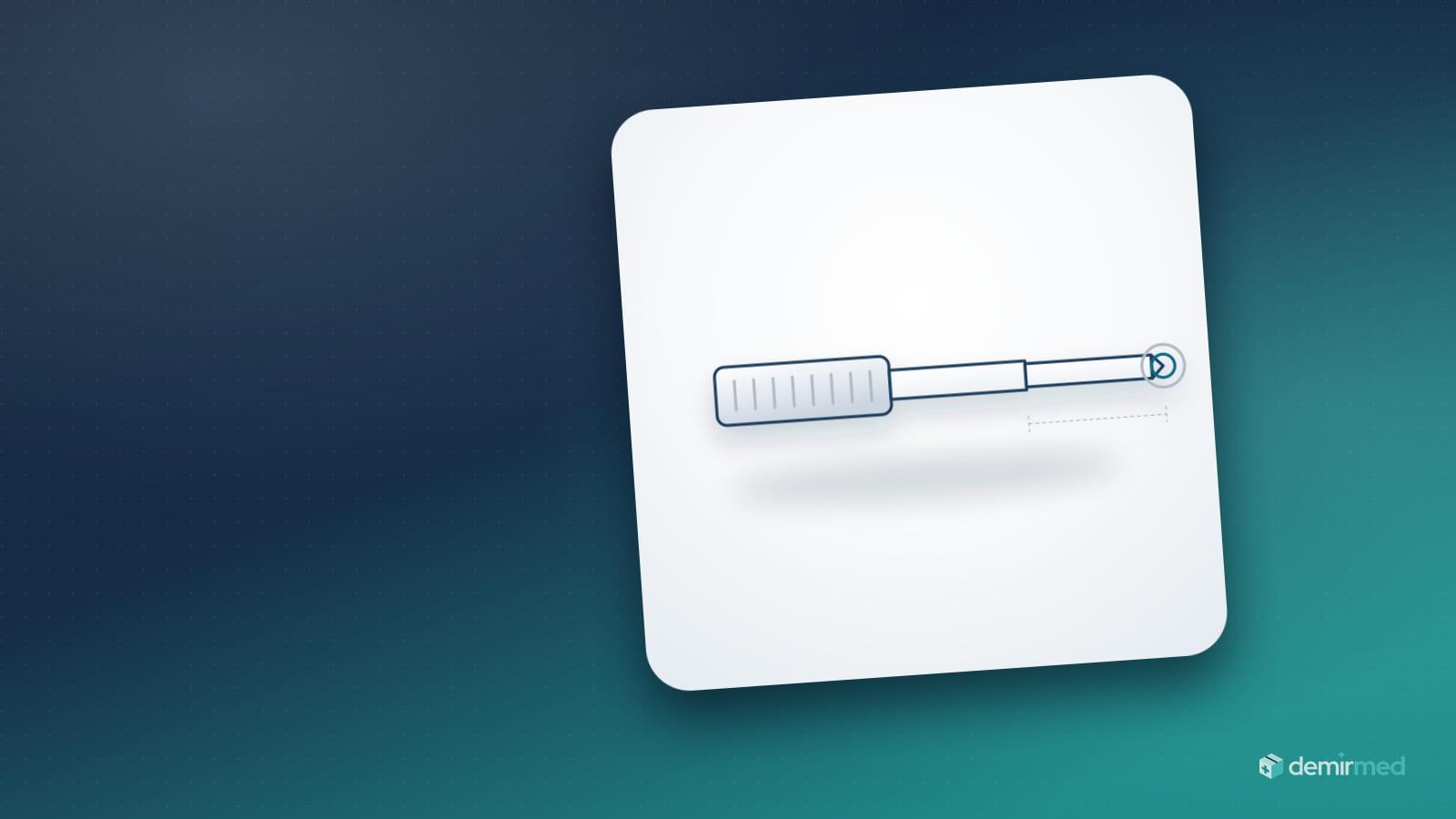
Listed values are usually the inner diameter. Outer diameter is larger by twice the wall thickness (0.8 mm ID with 0.05 mm wall → 0.9 mm OD). Make sure both manufacturers use the same definition when comparing.
| Graft type / area | Commonly used ID |
|---|---|
| Single and double follicular units | 0.7 – 0.8 mm |
| Multi-unit, coarse hair | 0.85 – 0.95 mm |
| Beard and body donor | 0.9 – 1.0 mm |
2. Edge geometry
- Sharp: cuts the epidermis with minimal pressure; suited to low-speed precision work.
- Blunt: guides the follicle in deeper tissue; needs higher speed at the epidermis.
- Hybrid: sharp inner edge with blunt outer edge.
Diameter
Inner versus outer diameter
3. Coating and material
Titanium nitride coatings reduce friction and extend edge life during long sessions.
4. Shaft and motor compatibility
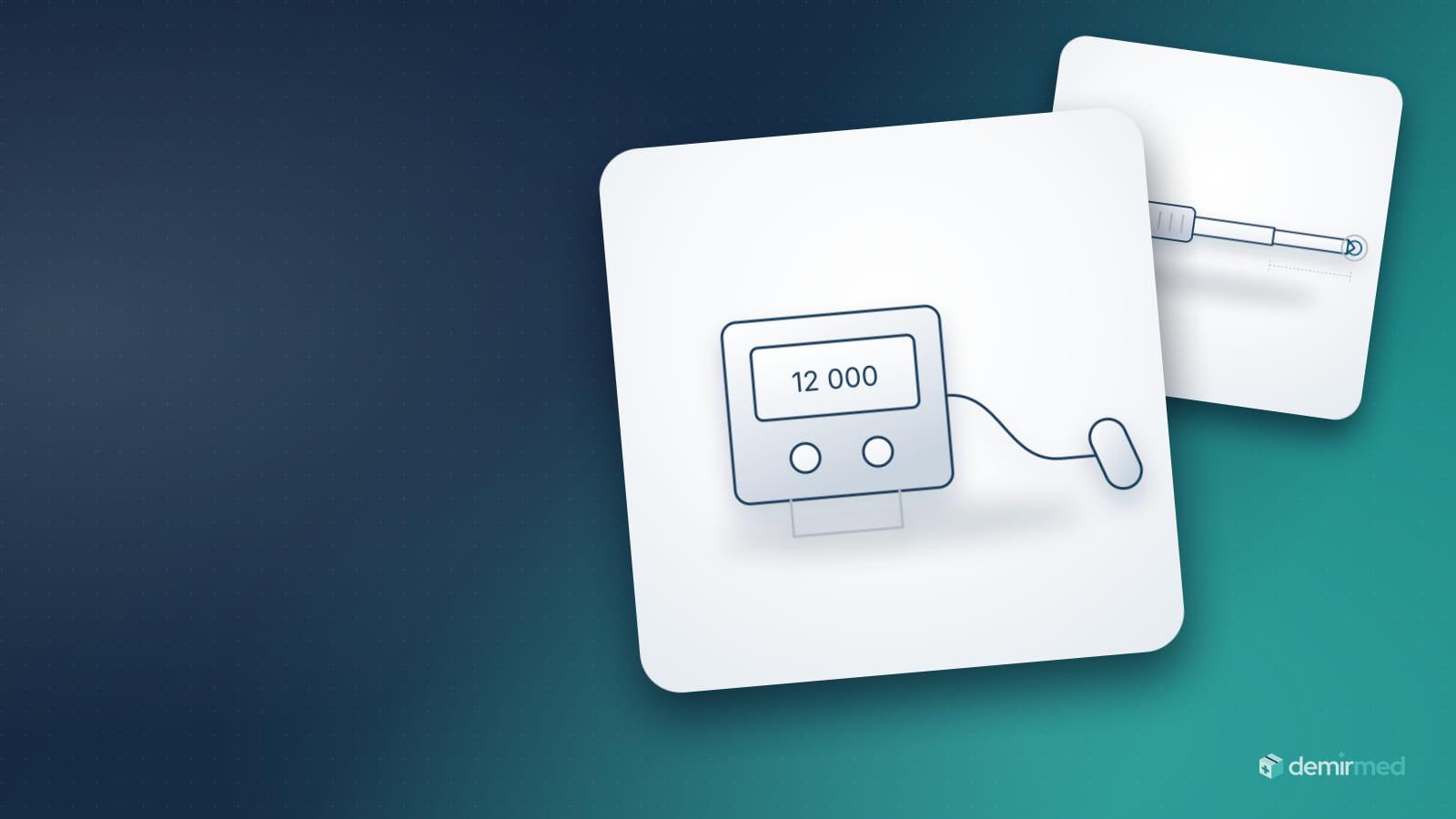
The most common shaft size is 2.35 mm, but collet mechanisms differ. We only list tested combinations under "Compatible products"; ask our technical team for a sample compatibility test for other motors.
Compatibility
Shaft and motor compatibility
5. Packaging and sterility
Single-use punches come in individual sterile blisters. Sterilisation method and expiry are printed on the label.
6. Purchase planning
Work out average punch consumption per procedure by diameter and send a recurring quote request for your monthly needs; quantity terms are set in the quotation.