Short answer
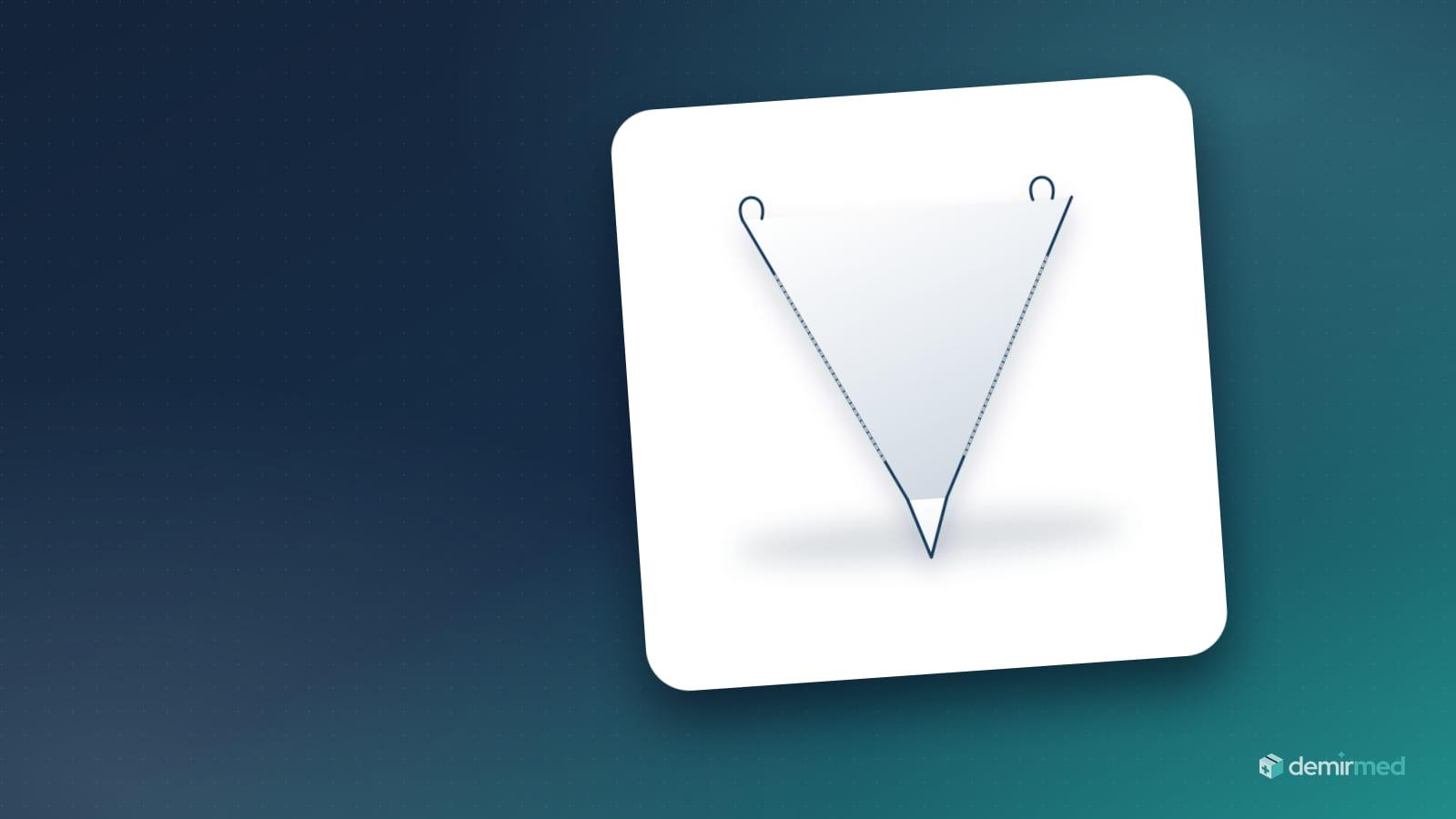
Hair transplant forceps are fine-tipped surgical forceps that carry the graft at every step, from removal at the donor area to placement in the recipient channel. There are three core types: extraction forceps that pull the punch-scored graft from the donor area, sorting forceps that separate grafts by hair count at the sorting table, and fine, angled implantation forceps that place the graft in the channel. Four things decide the right choice: tip geometry (straight, angled, curved), tips that meet in perfect alignment, a soft and even closing pressure, and good-quality stainless steel that withstands the autoclave. Plan at least two forceps for each team member plus a spare set for the sterilisation cycle.
What are hair transplant forceps and why are they a separate instrument?
The anatomical and surgical forceps used in general surgery are designed to hold tissue: their jaws are wide and most have teeth. In hair transplantation the item being held is a living graft 1–2 mm across that contains the hair bulb and is damaged when crushed. Hair transplant forceps are therefore toothless, very fine-tipped and close precisely; most are derived from jeweller-type forceps. Because the graft changes hands several times during the day, forceps quality directly affects graft integrity and the speed of the team.
The technique changes what you need. With FUE plus sapphire or slit channels all three types are used. With DHI the graft is placed with an implanter pen, so instead of implantation forceps a fine-tipped forceps loads the grafts into the pen needle; extraction and sorting forceps are still needed.
Hair transplant forceps types: implantation, extraction and sorting
| Forceps | Step | Tip | Used by | What to watch |
|---|---|---|---|---|
| Extraction forceps | Graft removal (FUE) | Slightly wider, straight or slightly angled, smooth gripping surface | Surgeon and extraction team | Hold the graft by the surrounding tissue, without crushing or tearing the bulb |
| Sorting forceps | Graft preparation | Very fine, straight tip | Sorting team, at the microscope | Separate grafts into 1-, 2- and 3-hair units and line them up in the petri dish |
| Implantation forceps | Placement | Fine, angled (commonly around 45°) or curved tip | Implantation team | The tip must find the channel without blocking the view; the graft is pushed in gently |
| DHI loading forceps | DHI | Fine, straight tip | DHI team | Load the graft into the implanter needle groove, bulb facing down |
Extraction forceps pull out the graft once the punch has scored it at the donor area. The graft should be held by the fat and connective tissue around the bulb (perifollicular tissue) rather than by pressing on the bulb itself, so extraction forceps have a smooth gripping surface and tips that close evenly.
Sorting forceps are used at the graft preparation table under loupes or a microscope. Grafts are separated by hair count, trimmed of excess tissue and lined up for counting. What matters most here is tips that close in millimetre-perfect alignment; a tip that closes ahead of the other pushes the graft aside.
Implantation forceps place the graft in channels opened with a sapphire blade or slit blade at the recipient area. The angled tip keeps the surgeon's hand and the body of the forceps from blocking the channel opening; the graft is pushed in gently, bulb first, at an angle that follows the hair's exit direction.
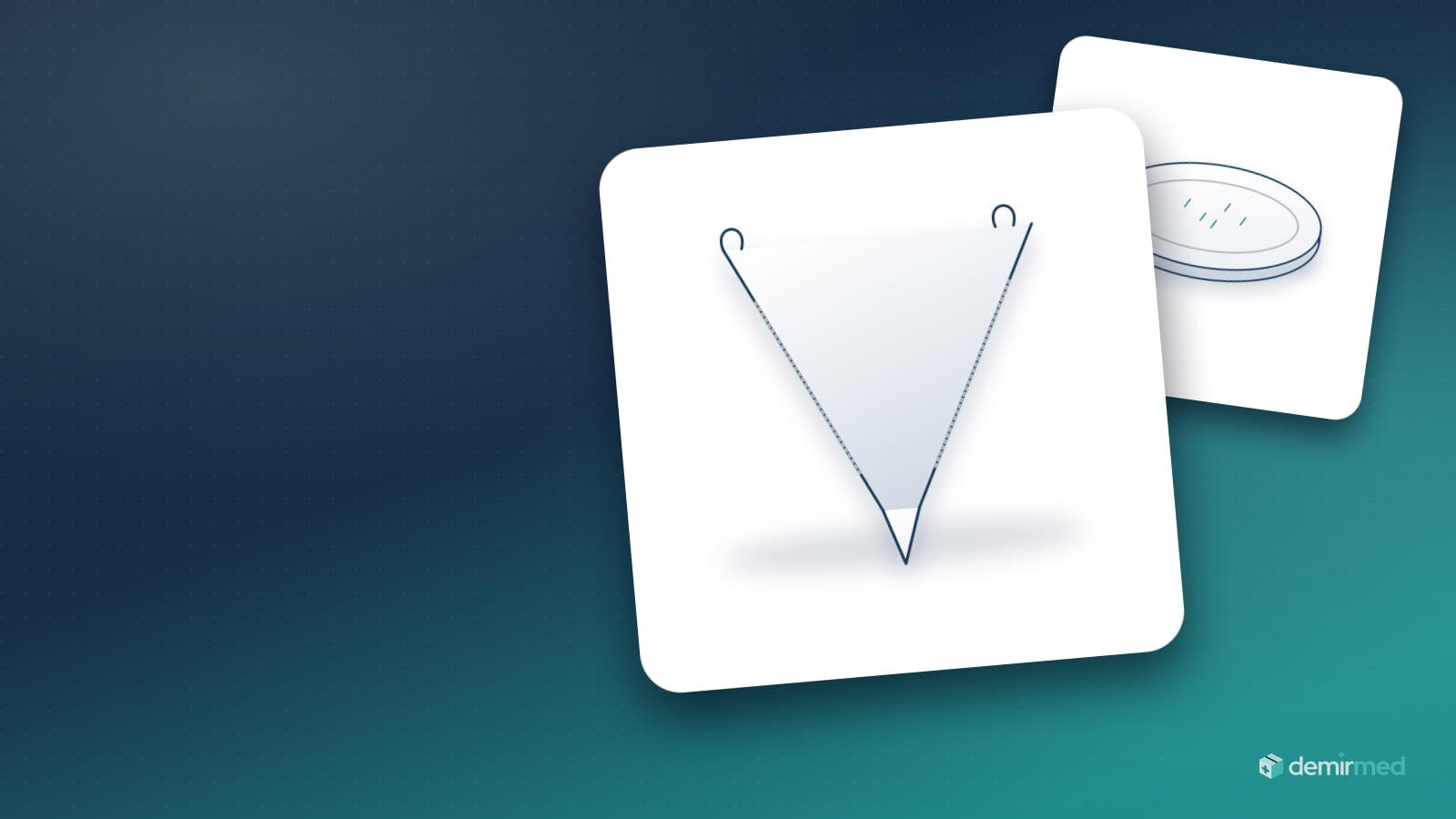
Tip geometry: straight, angled and curved
The tip style depends on the step as much as on personal preference. Teams usually keep two tip styles in the set for the same step.
| Tip | Advantage | Typical use |
|---|---|---|
| Straight | Finest control, clear view under the microscope | Sorting and separating, DHI loading |
| Angled | Hand and body stay out of the line of sight | Implantation, especially the frontal hairline and crown |
| Curved | Comfortable angle on the curve of the scalp | Implantation on the sides and crown (vertex) |
| Extra-fine | Precise grip on single-hair grafts | Hairline, eyebrow and beard transplantation |
| Slightly wider | Secure hold on multi-hair grafts | Extraction, 3- and 4-hair units |
A fine tip alone is not a sign of quality: a very fine tip made of soft steel bends quickly and loses its alignment. What matters is a tip that is fine yet stays hard and springy.
Forceps types
Implantation, extraction and sorting forceps
Material and workmanship: what to look for
- Stainless steel quality: surgical-grade stainless steel resists corrosion and discolouration over repeated autoclave cycles. Forceps with stains or rust spots are taken out of use.
- Tip alignment: held against the light and closed, the two tips should meet at exactly the same point with no light between them. On good forceps the tips are aligned by hand.
- Closing pressure: the spring tension should be soft and even. Forceps that close hard tire the hand over a long day and crush grafts; forceps that are too soft let the graft slip.
- Grip surface: a serrated grip area on the body stops the forceps slipping in a gloved hand.
- Weight and balance: light, balanced forceps keep precision over long procedures. Titanium forceps are lighter and non-magnetic; steel forceps are more common and more economical.
Tip geometry
Straight, angled and curved tips
Graft safety: holding correctly and team discipline
Much graft damage comes from handling rather than from the choice of instrument. The forceps should hold the graft by the tissue above the bulb or near the hair shaft, not by the bulb. Drying also damages grafts, so during sorting and implantation they are kept moist and held in storage solution in the petri dish. A team that is used to the same forceps works faster; a new model should be tried by the team before it joins the set. The technique and protocol are the physician's responsibility.
Team and set planning: how many hair transplant forceps do you need?
Forceps are not single-use; they are cleaned and sterilised after every procedure. Quantities are therefore planned by team size and the sterilisation cycle.
| Team member / step | Per procedure | Spare (for the sterilisation cycle) |
|---|---|---|
| Extraction (surgeon + assistant) | 2 extraction forceps | +2 |
| Sorting team (per person) | 2 sorting forceps | +1 |
| Implantation team (per person) | 2 implantation forceps (1 angled + 1 curved or straight) | +1 |
| DHI loading (per person) | 2 fine-tipped forceps | +1 |
Example: a clinic working one chair a day with a sorting team of two and an implantation team of two needs about 2 extraction, 4 sorting and 4 implantation forceps in the procedure, with roughly half as many again in reserve. When a second chair opens the number of sets doubles. A spare stock to replace forceps with damaged tips keeps the procedure day running without interruption.
Cleaning, sterilisation and tip care
- Straight after the procedure: put the forceps into enzymatic solution before blood and tissue dry.
- Cleaning: clean in an ultrasonic cleaner and with a soft brush; never press the tips against a hard surface.
- Rinsing and drying: rinse with purified water and dry completely; moisture leaves corrosion and stains.
- Inspection: check tip alignment, bending and burrs under magnification; set damaged forceps aside.
- Packing: protect the tips with silicone tip guards and place the forceps in a sterilisation pouch or instrument cassette.
- Autoclave: autoclave at the temperature and time recommended by the manufacturer, arranging the forceps so they do not knock together.
The tips are the most vulnerable point to drops and knocks. A forceps that falls off the table usually loses its tip alignment, so forceps are carried on the tray with tip guards or in a separate compartment.
Buying checklist
- Which types does your technique need: extraction, sorting, implantation, DHI loading?
- Have the angled and curved tip options for implantation been chosen with the team?
- Do the tips meet in perfect alignment against the light, and is the closing pressure even?
- Is the steel surgical-grade and autoclavable, with no stains or burrs on the surface?
- Have the procedure sets and spares been calculated from team size and the sterilisation cycle?
- Were tip guards, instrument cassettes and sterilisation pouches added to the same quotation?
- Are complementary items such as punches, sapphire blades and petri dishes planned with the same supplier?
Care
Cleaning, autoclave and tip protection
Products
The Hair Transplant Forceps category lists the fine angled implantation forceps, the extraction forceps for FUE graft removal and the sorting forceps for separating grafts; all are stainless steel, autoclavable and sold per piece. The glass petri dish for graft preparation, the Garry FUE punch for extraction and the sapphire blade for channel opening can be added to the same quotation. See the instruments used in hair transplantation guide for the full instrument list and hair transplant supplies for the category overview; send your team size through a quote request and we will draw up the set plan with you.